
Architectural lighting isn’t simply outdoor illumination — it’s a design tool to enhance your home’s curb appeal, accentuate its features and provide an elegant after dark presence. But hillside homes are not lacking in drama, even at night — no matter if you’re going for understated ambience or eyeball-exploding impact: With the right lighting tactics, your home can become a visual gem after the sun goes down.
Key Architectural Lighting Techniques
Uplighting
What it is: Ground-level lights aimed upward.
Best for: Columns, tall walls, trees, or unique siding.
The effect: Creates height and visual drama. Textured materials like brick and stone shine with rich shadows and highlights.
Wall Grazing
What it is: Fixtures positioned close to the wall to highlight texture through shadow.
Best for: Brick, stone, or wood siding.
The effect: Enhances natural patterns and adds visual depth and personality.
Wall Washing
What it is: Wide-beam floodlights softly illuminate a large surface.
Best for: Smooth, uniform exterior walls.
The effect: Even, elegant glow that acts as a subtle architectural backdrop.
Soft and Downlighting
What it is: Recessed lighting under roof eaves or overhangs.
Best for: Defining the home’s silhouette and lighting entries, garages, and walkways.
The effect: Adds functional lighting while forming gentle pools of light and shadow for depth.
Spotlighting and Accent Lighting
What it is: Focused beams aimed at specific features.
Best for: Gables, dormers, arches, or sculptures.
The effect: Highlights standout features with a polished, professional touch.
Silhouetting
What it is: Lighting placed behind an object to cast a silhouette.
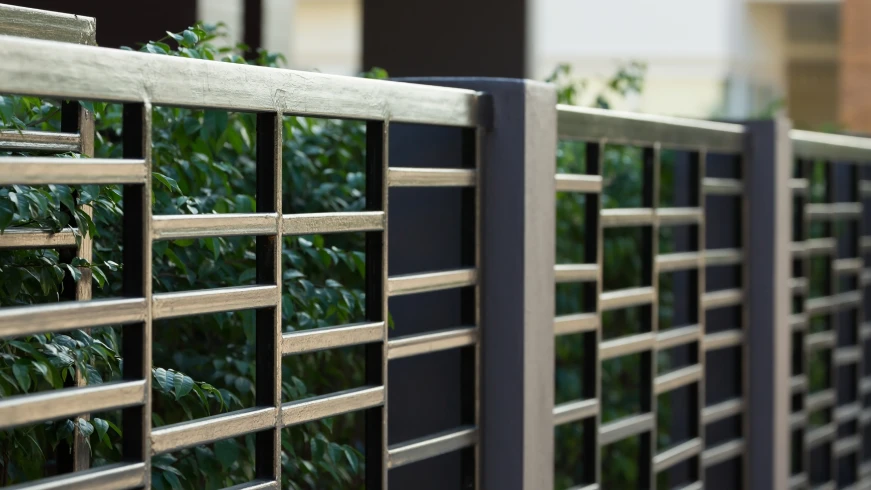
Best for: Trees, trellises, sculptures, or decorative fencing.
The effect: Bold and modern — creates form through contrast, not brightness.
Designing Your Lighting Strategy
Balance Light and Shadow:
Great lighting isn’t about flooding your home with light. It’s about contrast — the interplay between brightness and shadow creates depth and mood.
Layer Your Lights:
Use ambient lighting for general visibility, accent lighting for highlights, and task lighting for safety on steps, driveways, and entries.
Match Your Home’s Style:
Choose lighting fixtures that match your home’s architecture — sleek for modern, classic lanterns for traditional.
Pick the Right Color Temperature:
- Warm white (2700K–3000K): Cozy, inviting atmosphere
- Cool white (3500K–6000K): Crisp, clean, and contemporary
Light for Safety Too:
Architectural lighting doesn’t just look good — it keeps your home safer. Use LED fixtures for their longevity and low energy use, and make sure every entrance and walkway is well-lit.
Light Up Your Home with Swafford’s Landscape
Professional lighting can dramatically enhance how your home looks at night. At Swafford’s Landscape, we design and install custom outdoor lighting systems that show your home at its absolute best — safely and efficiently.
Call today to book your consultation and start lighting up your home with confidence.